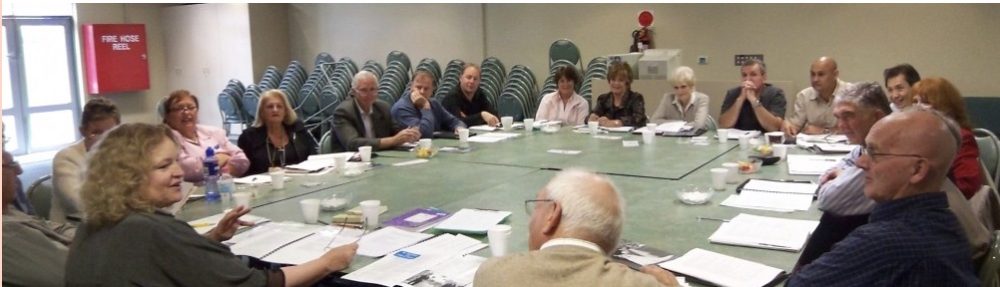
Ceremonies are celebrations that stand outside of time’s normal flow.
They are occasions for stepping out of our routines and preoccupations
so we may touch something essential in life.
We seek ceremony when we feel that
something powerful and profound is happening.
(from David Oldfield in Louise Mahdi’s book “Crossroads”.)
Your personal tutor-examiner: Every student is allotted their own personal tutor, who will actively guide and assist you throughout the course, and out in the field, in the real world of preparing, checking, and delivering the best ceremonies possible.
Learning aims of Module 1: Unless celebrants know and are convinced of the worth of ceremony, there is little point in their continuing within the profession. Students who conscientiously complete this unit will become aware of the history of ritual and ceremony from primitive times to the present. They will study a variety of ways in which people express themselves ritually and ceremonially in different cultures. They will come to understand the importance of history and tradition, and the equal importance of personalisation and flexibility. They will recognise the place of the visual and performing arts in ceremony and ritual. They will come to understand how ceremonies signpost the culture, and how they are measuring sticks of the humanity within the culture. They will come to see the importance of ceremony in everyone’s life, including those with no religious beliefs of any kind. They will become convinced of how human beings and the whole society benefit from the development of better ceremonies.
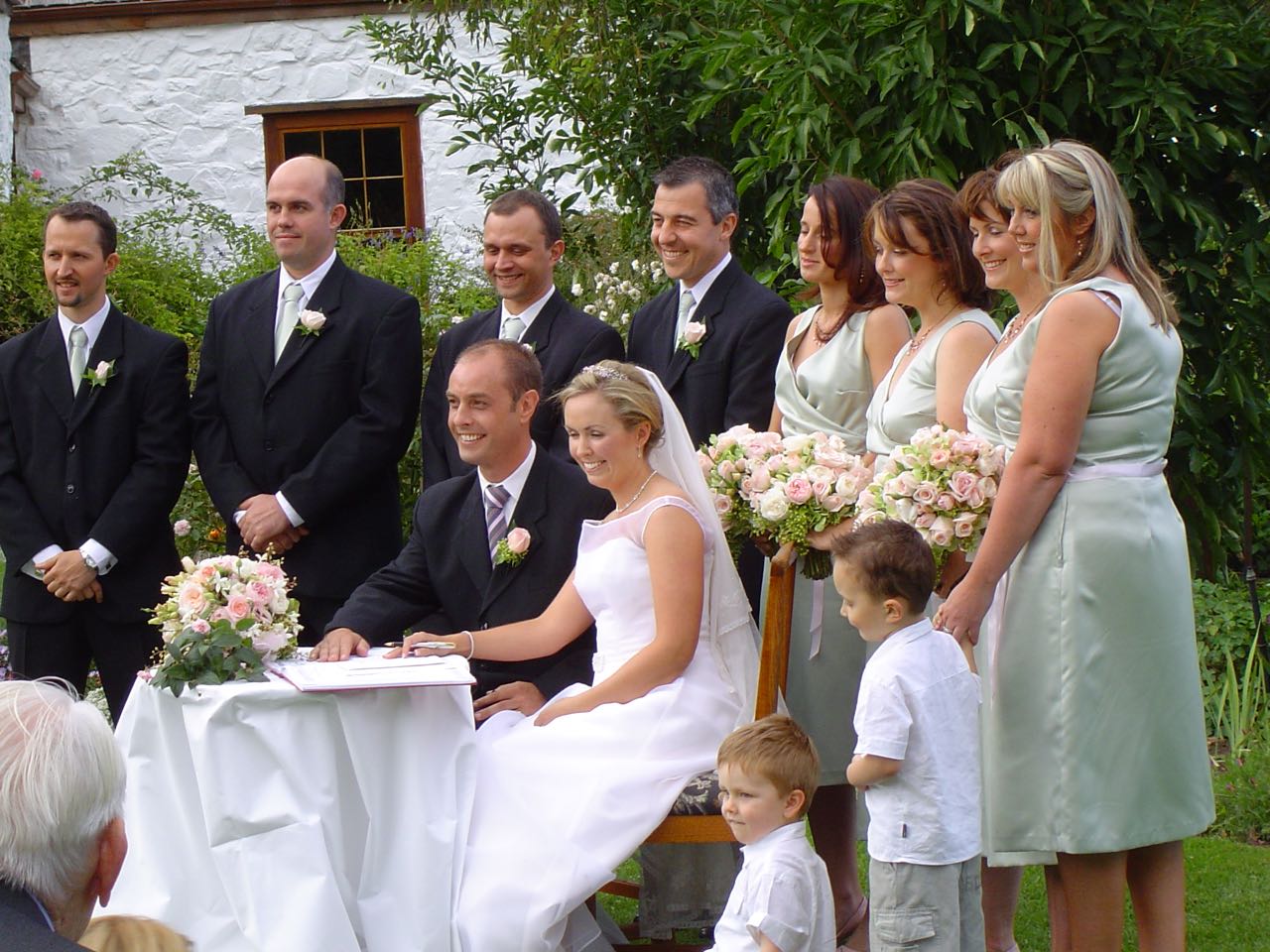 The essence of a celebrant’s work is ceremony: Why is this module so necessary? The History, Nature, and Development of Ceremony is a very deep and demanding subject, however, it is the basis for anyone aspiring to become a professional celebrant. Almost certainly, all who work on this module will gain understanding, inspiration, and motivation for the important vocation of celebrancy. Insights will be acquired from the marvellous researchers who have studied human culture at a deep level. The module touches on the work of outstanding scholars and writers such as Arnold van Gennep (The Rites of Passage), Mary Hancock, David Oldfield, Juliet Batten, Mircia Eliade, Michael Meade, Joseph Campbell, Ronald Grimes, and Robert Fulford. It is also necessary to know about the historical evolution of secular ceremony in the Western world. It was not easy to develop a profession that has now emerged as a culturally enriching force for non-church people.
 Field Work: On the practical side, students are required to send in detailed and structured analysis of at least three ceremonies they have actually attended in person. We allow reports on recorded ceremonies only in difficult circumstances. All dedicated celebrants have their strong points and their blind spots. Careful analysis of all ceremonies raises awareness to a very important level. Presenting ceremonies in the real or by simulation is essential to the learning process.
Module 1 is about secular ceremony, which has rarely been analysed. It is also helpful in religious ceremonies, even though that is not our main purpose. In this module, we require you to look closely at secular ceremonies such as graduations, citizenship ceremonies, or even the launching of ships and the opening of freeways! As the International College of Celebrancy considers this to be a very basic study, we do not encourage people to apply for RPL – Recognition of Prior Learning or RCC – Recognition of Current Competencies. There are very few courses that even come close to teaching the necessary topics. No matter how good a celebrant is, or how good they think they are, we know this module contributes to professionalism. For this reason, students need to be committed to a good grounding in this topic as an essential part of our full diploma course. Read our testimonials to the quality of our training.
Assessment: Assessment tasks are on the last pages of the Module 1 main text. Our tutors carefully read, critique, and assess your completed tasks, assignments, and reports. Every student has an assigned tutor / examiner. On satisfactory completion, you will receive an assessment grade of Pass, Credit, Distinction, or High Distinction.
Assessment is by the following methods:
- Learning Journal – a diary relating your studies to the world in which you live, includes compulsory research and writing tasks where necessary.
- Research questions are based on selected written material provided with the module manual, books, videos, and website links.
- Fieldwork: a structured analysis of 3 different community ceremonies.2. a structured interview with a celebrant
Workload and Due Dates: The time envisioned for working on each module is equivalent to 10 weeks at 8 hours per week. The college has not set dates for the submission of individual items. However, unless special permission to extend is granted, this module is to be completed within 6 months. Temporary suspensions of enrolment are negotiable, however, fees for modules, that have not been completed, are not refundable.
Readings, Questions, and Assignments: All manuals and videos are provided, including “Ceremonies and Celebrations,” and will be made available immediately the college receives full payment for the module. Module text, books, and videos will be sent via email or downloaded from links. The manual can be printed and sent by post for a cost only charge. Transferring any material belonging to the college to a third party without prior permission is unethical and strictly forbidden.
Enrolment Details: Our Enrolment Form is found on the Contact Us page, Correspondence on administrative matters, including enrolments, is to be directed to the Principal, Dally Messenger ( dallymessenger@mac.com – +61 411 717 303 .
 International College of Celebrancy (Est.1995)